There are a lot of misunderstandings when it comes to gluten-free diets. Let’s clear up some of the most common myths!
Myth 1: Gluten-Free Equals Healthy
Many people assume that just because something is gluten-free, it’s automatically good for you. But that’s not true! Gluten-free products can still be packed with sugar and unhealthy fats. It’s important to read labels and focus on whole foods like fruits, veggies, and gluten-free grains.
Myth 2: Gluten-Free Diets are Only for Those with Celiac Disease
While folks with celiac disease definitely need to avoid gluten, that doesn’t mean gluten-free diets are just for them. Many people have non-celiac gluten sensitivity or choose to go gluten-free for other health reasons. It’s a personal choice that can vary from person to person.
Myth 3: Going Gluten-Free Helps with Weight Loss
Another common belief is that ditching gluten will help you shed pounds. The reality is that some gluten-free foods can be higher in calories and carbs. If weight loss is your goal, it’s all about managing portions and making healthier choices, not just avoiding gluten.
Myth 4: You Can't Eat Out on a Gluten-Free Diet
Dining out can be tricky, but not impossible! Many restaurants now offer gluten-free options and are willing to accommodate dietary needs. A quick chat with the staff can often lead to tasty meals that fit your gluten-free lifestyle.
Understanding Gluten and Its Effects
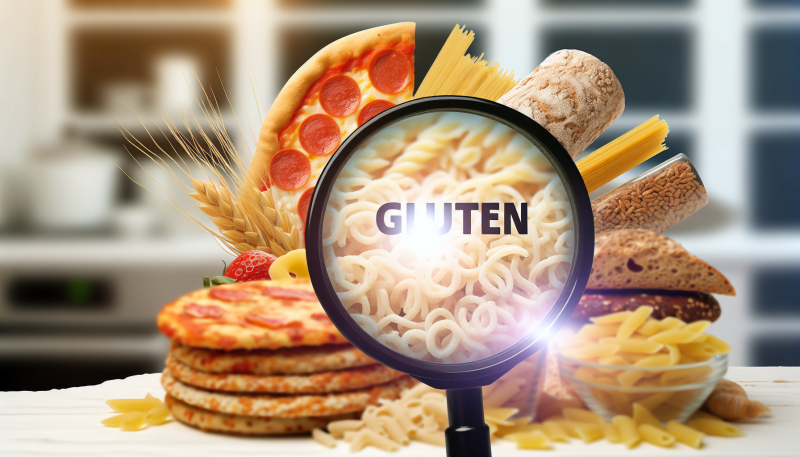
If you're diving into the world of gluten-free living, it’s essential to understand what gluten really is and how it can affect people differently. Simply put, gluten is a protein found in wheat, barley, and rye. It's what gives bread its chewy texture and is often hiding in many of our favorite foods. For most people, gluten is perfectly fine; it’s a natural part of a balanced diet. But for others, it can trigger some serious health issues.
Individuals with celiac disease, for example, can have a severe reaction to gluten. Their immune system mistakenly attacks the small intestine when gluten is consumed, leading to discomfort, digestive issues, and even long-term health problems. Then there's gluten sensitivity, which doesn’t cause the same damage to the intestines but can still result in uncomfortable symptoms like bloating and fatigue.
For those without any gluten-related conditions, going gluten-free may not be necessary and can sometimes lead to missing out on essential nutrients found in whole grains. However, if you suspect gluten is causing you problems, it's a good idea to chat with a healthcare professional. They can help guide you on whether going gluten-free is the right choice for you.
It's also helpful to know that today, many gluten-free options are readily available. From breads to pastas, you can find alternatives made from rice, almonds, and other gluten-free grains that can fill your pantry without sacrificing flavor. Just remember, whether you’re gluten-sensitive or simply trying to reduce it, understanding your own body and how it reacts is key to making informed choices.
Benefits of Going Gluten-Free
Going gluten-free can be a game-changer for many people, and the benefits extend beyond just dietary needs. For those with gluten sensitivities or celiac disease, removing gluten from their diet can lead to significant health improvements. You might notice fewer stomach issues, reduced bloating, and an overall sense of well-being.
But even if you don’t have a gluten intolerance, many folks find that cutting out gluten promotes healthier eating habits. When you ditch those gluten-packed foods like bread and pasta, you often replace them with alternatives like fruits, vegetables, and whole grains, which can boost your nutrient intake. It’s a great chance to explore new recipes and flavors!
Another benefit? Energy levels. Many people report feeling more energized after going gluten-free. This could be due to eliminating processed foods from your diet, as many gluten-containing products can be high in sugars and unhealthy fats. By nourishing your body with wholesome foods, you might just find yourself feeling more active and alert.
Lastly, going gluten-free can help some people shed a few pounds. While it’s not a guaranteed weight loss solution, many individuals find that being more intentional about their food choices leads to healthier habits. It’s all about choosing nutrient-dense options over empty calories, and there’s no shortage of tasty gluten-free foods to try!
Tips for Successful Gluten-Free Living
Living gluten-free can feel like a big change, but with a few handy tips, it can be much easier! Here are some helpful pointers to make your gluten-free journey a smooth one.
Read Labels Like a Pro
When shopping, always check food labels. Gluten can hide in places you wouldn’t expect, like sauces or processed foods. Look for words like "wheat," "barley," and "rye," and get familiar with gluten-free certification seals. They can save you time and keep you safe!
Explore Naturally Gluten-Free Foods
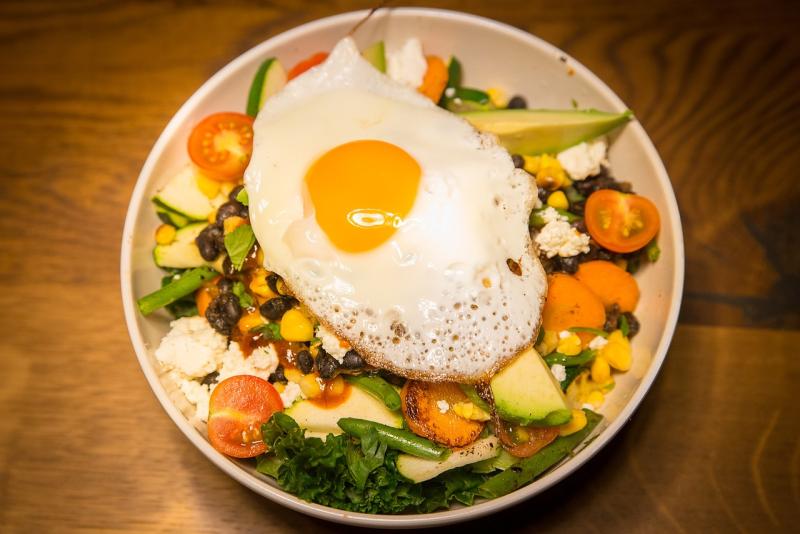
Fruits, vegetables, lean meats, fish, and most dairy products are naturally gluten-free. Embrace whole foods! Try incorporating more of these options into your meals. They not only keep things safe but also bring lots of flavor and nutrients to your plate.
Have a Snack Plan
Snacking can be tricky, so have a stash of gluten-free snacks handy! Nuts, popcorn, and certified gluten-free protein bars are great choices. This way, you won’t be caught off guard when hunger strikes.
Join a Community
Connecting with others who are gluten-free can be super helpful. Whether online or in-person, these communities share tips, recipes, and support. Plus, you might just find new favorite meals and snacks to try!